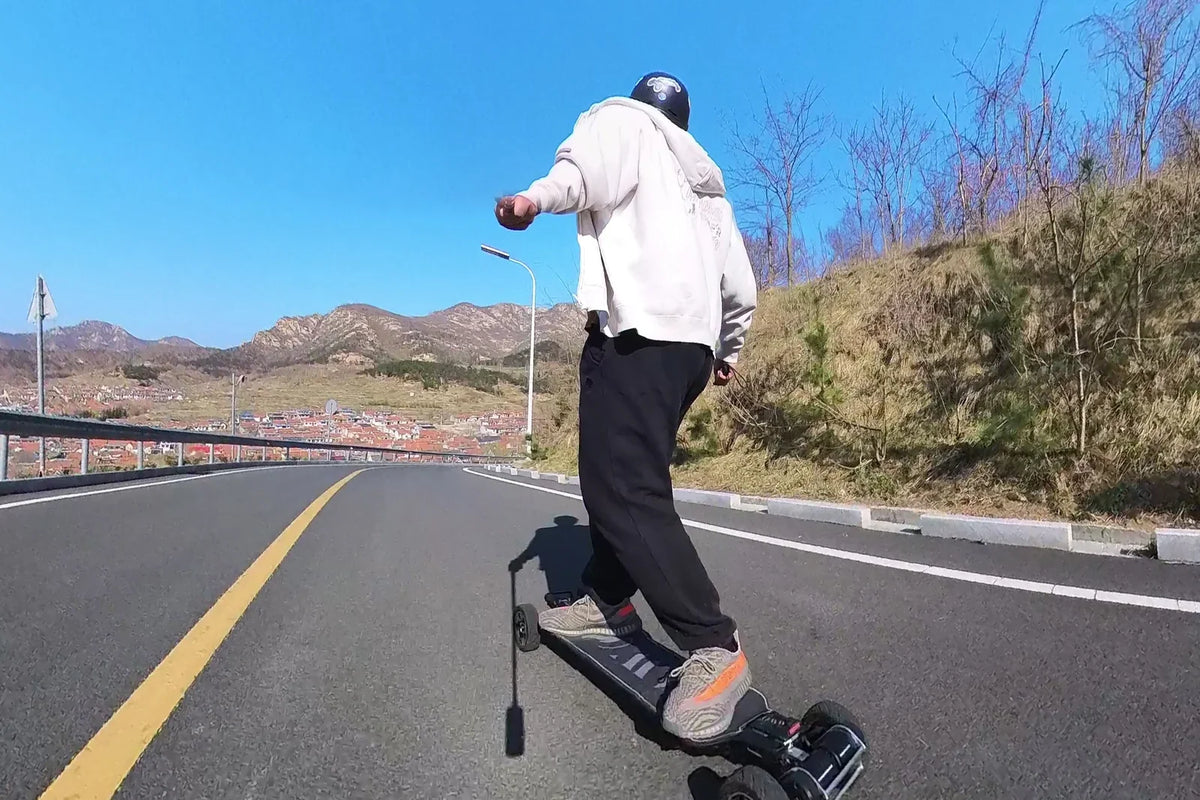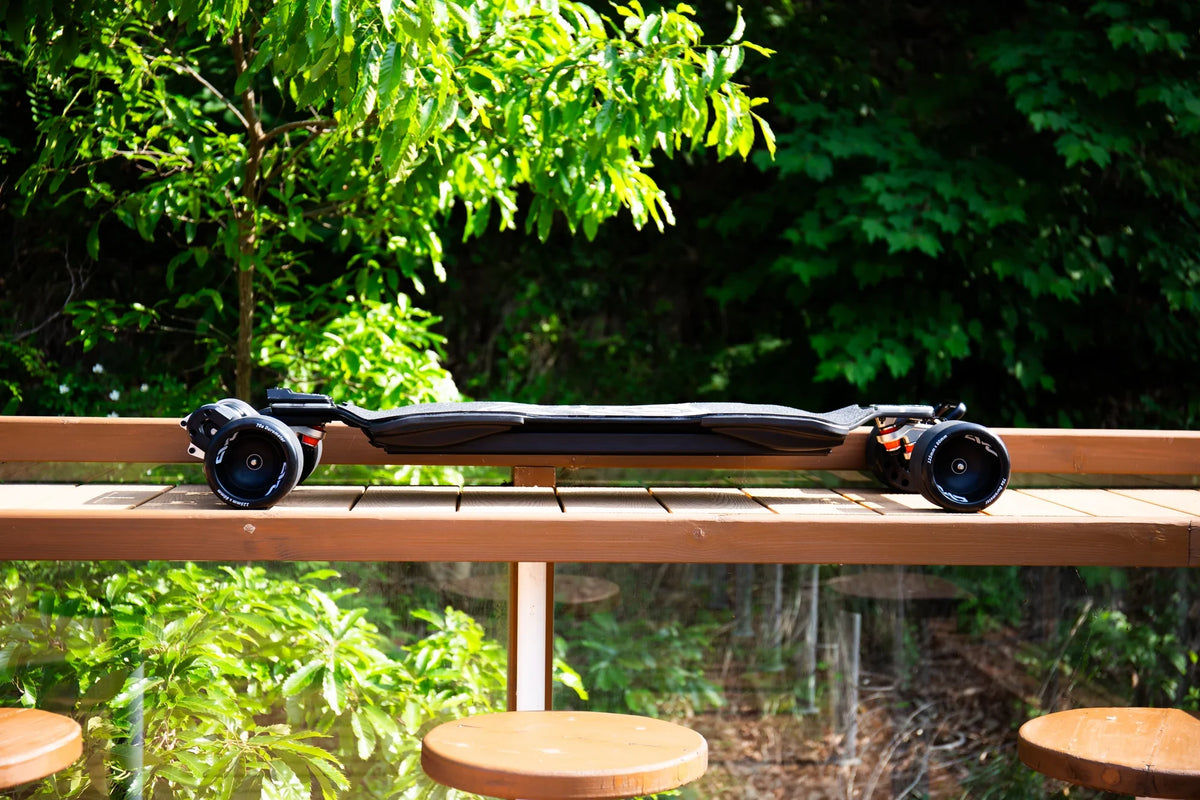





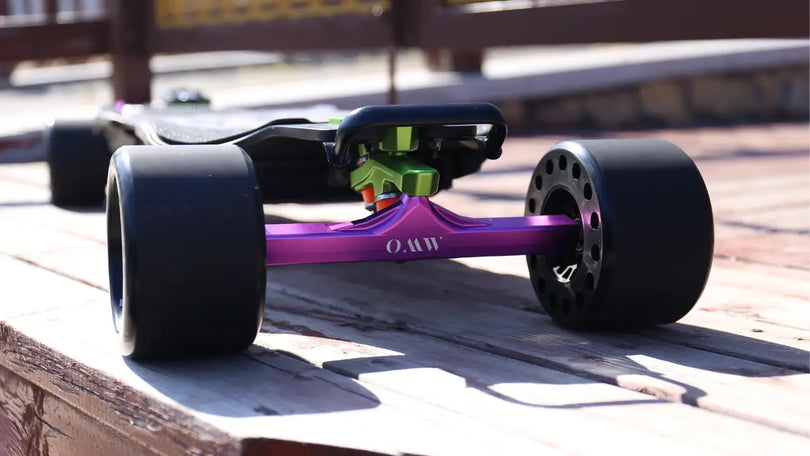
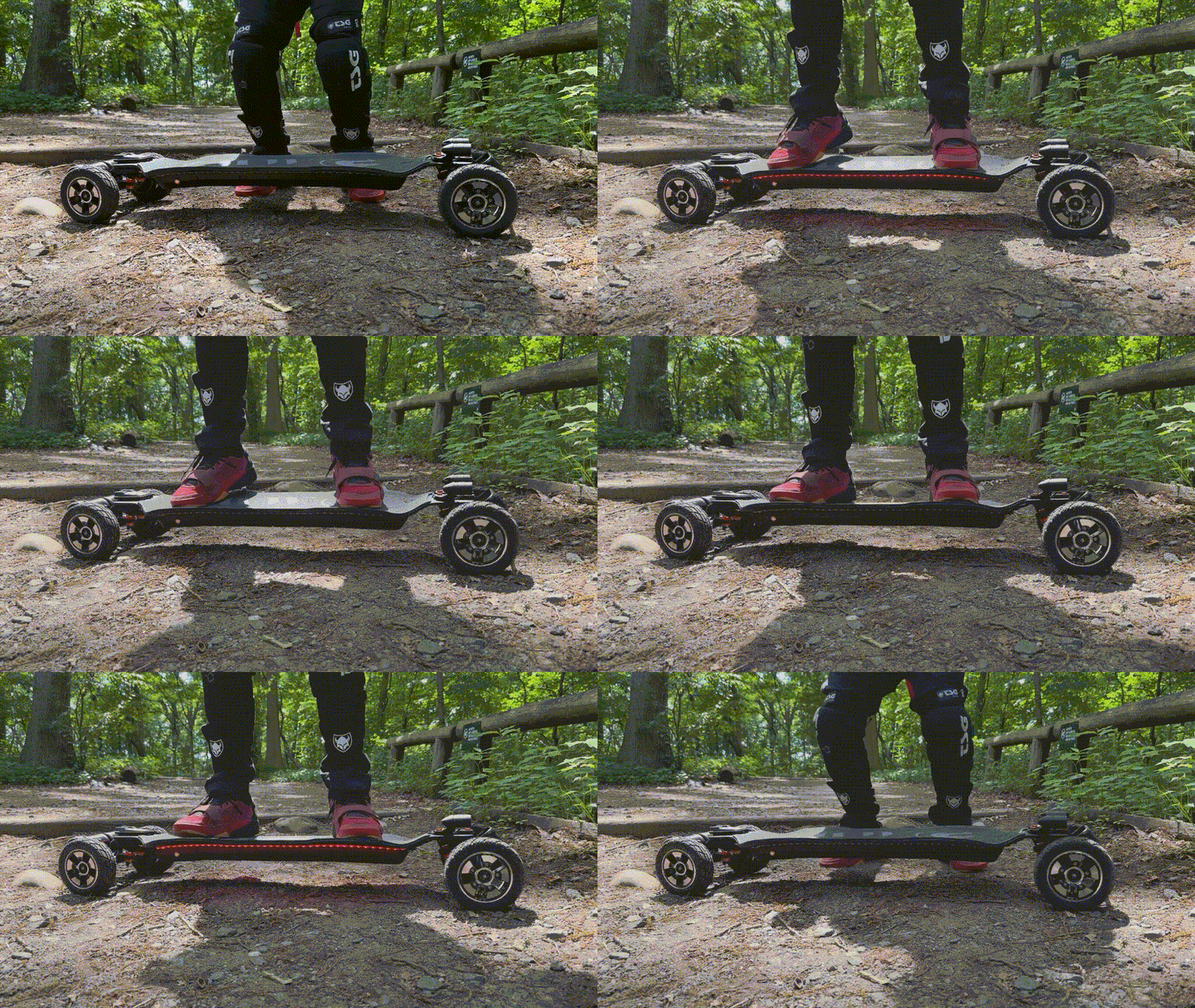

Before every electric skateboard commute, check seven things: the route, available range, weather and road surface, board condition, protective gear, what you need to carry, and where the board will be stored. This checklist is designed for the daily trip itself. If you are still choosing a board, start with the OMW electric skateboard commuting guide.
Electric skateboard commuting checklist
| Check | Before you leave | Why it matters |
|---|---|---|
| 1. Route | Confirm the route is permitted, dry and reasonably rideable. Know one safer backup route. | A short route with broken pavement, steep hills or heavy traffic can be harder than a longer protected path. |
| 2. Range | Plan the complete round trip, then keep a personal reserve for hills, wind, cold weather and detours. | Real-world range changes with rider weight, speed, elevation, temperature, wheels and tire pressure. |
| 3. Weather and surface | Do not start an OMW ride in rain or on wet roads. Check for gravel, potholes, leaves and construction. | Wet surfaces reduce traction and increase braking distance; standing water can also damage electronics. |
| 4. Board | Inspect wheels or tires, belts, trucks, fasteners, remote connection and battery level. Test acceleration and braking at low speed. | A one-minute check can reveal wear or looseness before it becomes a problem in traffic. |
| 5. Rider | Wear a properly fitted helmet and protection appropriate for your speed, route and experience. Make yourself visible. | Commuting adds traffic, driveways, pedestrians and changing light to the normal risks of riding. |
| 6. Carry and storage | Plan for stairs, transit connections and building access. Confirm a secure, dry storage location. | Board weight and carrying distance can matter as much as ride comfort on a mixed commute. |
| 7. Charging | Use only the correct charger in a dry, visible and permitted location. Follow the manual and unplug when charging is complete. | A destination outlet is not a substitute for a planned range reserve. |
What is in this guide?
- Map the entire route
- Calculate range and charging needs
- Check weather and surface conditions
- Run a 60-second board inspection
- Pack only what your route requires
- Plan storage at the destination
- Check the board after the commute
- Commuting FAQ
1. Map the entire route, not just the distance
Start with the exact streets, paths and building entrances you will use. Note steep grades, rough sections, railway crossings, tight turns, blind driveways and places where you may need to step off. Check local laws and property rules because electric skateboard access varies by location.
For a new commute, ride the route once in daylight without a tight arrival deadline. Learn where traffic merges, where pavement changes and where a safe walking section may be the better decision. If the route includes public transit, confirm whether the operator allows the board and whether you can carry it without blocking doors or aisles.

2. Calculate the round trip and keep a reserve
Do not plan around the straight-line distance or a laboratory maximum. Add the ride to work or school, the return trip, planned stops and a margin for detours. Your personal reserve should reflect the route: steep hills, faster riding, cold conditions, repeated acceleration and soft or pneumatic wheels can all change energy use.
Use the OMW real-world range calculator and test guide to estimate how rider weight, speed, terrain, temperature and wheel setup affect a trip. For an unfamiliar route, begin conservatively and compare the board's remaining battery after several normal rides before relying on a tighter plan.
Should you carry a charger?
Carry the correct OMW charger only when the route genuinely requires destination charging and you already have permission to use the outlet. Never assume a workplace, school, café or transit facility will allow charging.
Charge in a dry, visible area away from exits and combustible clutter. Use the battery and charger intended for the board, follow the manual, and unplug when charging is complete. The U.S. Consumer Product Safety Commission's micromobility guidance also advises riders to use compatible equipment and follow the manufacturer's charging instructions.
3. Check weather and surface conditions
OMW recommends that riders do not use an electric skateboard in rain or on wet roads. Water-resistance ratings are not permission to ride through standing water. Wet pavement can reduce wheel grip and make braking or turning less predictable, while water entering components may cause damage.
If rain is possible during the return trip, choose another form of transport or have a backup plan that does not require riding the board. Read the full wet-road electric skateboard safety guide before building weather risk into a daily commute.
On dry roads, match the wheel setup to the surface you actually ride. Street wheels usually feel precise and efficient on smoother pavement, while larger or pneumatic options can add comfort and clearance on rougher routes. The OMW wheel size guide explains the trade-offs without turning wheel size into a one-number answer.
4. Run this 60-second pre-ride inspection
- Wheels and tires: Look for cuts, embedded debris, unusual wear or looseness. For pneumatic tires, check pressure against the setup's recommendation.
- Belts and drivetrain: Check for damaged teeth, fraying, trapped stones, abnormal noise or a sudden change in tension.
- Trucks and fasteners: Look for loose hardware or movement that feels different from the previous ride.
- Deck and enclosure: Check for visible damage, unusual gaps or impact marks.
- Battery and remote: Confirm both have enough charge and that the remote connects normally.
- Low-speed control test: In a clear area, gently test acceleration, braking and steering before joining traffic.
If anything feels different and you cannot explain it, stop and inspect rather than treating the commute as a diagnostic ride. For routine care, use the OMW cleaning and maintenance guide. For belt identification and replacement, use the OMW belt size guide.
5. Pack for your route—not for every possible failure
A useful commuter kit is compact and route-specific:
- A charged phone and emergency contact method.
- A properly fitted helmet and any additional protection appropriate for your speed and environment.
- A compact board tool if your route is long or remote.
- A spare belt only for a belt-drive setup when the route or distance justifies it.
- A tire repair solution or spare tube for pneumatic setups when recovery would otherwise be difficult.
- The correct charger only when destination charging is planned and permitted.
- Lights or reflective clothing when visibility is limited. Do not rely on being seen simply because the board has lights.

Small items can prevent a stranded walk, but a heavy bag can also reduce comfort and affect balance. Build the kit around the likely failure points of your exact setup and route.
6. Plan storage before the first commute
Confirm where the board will stay at work, school or another destination. Choose a secure, dry location where the board cannot block an aisle, exit or emergency equipment. Avoid leaving the board in a hot parked vehicle or another location exposed to extreme temperatures.
If the building requires the board to be carried through reception, elevators or stairs, include that section in your model decision. A compact board can be easier to manage off the road, while a longer board may provide a different ride feel. The right choice depends on the entire commute, not only the riding portion.
7. Check the board after the commute
After the ride, remove visible debris and inspect the wheels, tires and drivetrain for anything picked up on the route. If the board is wet, unusually hot or very cold, do not connect the charger immediately. Follow the manual and wait until the board is dry and at an appropriate charging temperature.
Charge with the correct charger in a clear, dry and observable area. Do not leave charging equipment operating overnight or for extended periods without supervision. Store the board and remote where they will not be exposed to moisture, impacts or extreme heat.
A simple weekly commuter maintenance rhythm
- Wheels or tires: check wear, damage and pneumatic tire pressure.
- Belts: inspect teeth and edges; listen for new drivetrain noise.
- Hardware: check trucks, wheel nuts and accessible fasteners for unwanted movement.
- Bearings and moving parts: investigate roughness, resistance or noise instead of masking it.
- Ports and enclosure: keep charging ports clean and dry; inspect covers and seals for damage.
Maintenance intervals depend on mileage, riding surface and setup. A short inspection every week is more useful than waiting for a fixed mileage number while symptoms build.
Electric skateboard commuting FAQ
Can I commute on an electric skateboard in the rain?
OMW recommends that you do not ride in rain or on wet roads. Reduced traction, longer stopping distance and possible water damage make an alternate transport plan the safer choice.
How much range reserve should I keep?
There is no universal percentage for every rider and route. Plan the complete round trip, then add a reserve based on hills, wind, temperature, riding speed, rider weight and wheel setup. Use your own repeated route data to refine it.
Should I charge the board at work or school?
Only if charging is necessary, the location allows it and you can use the correct charger in a suitable area. Do not make an unconfirmed outlet the only way you can get home.
What is the best OMW electric skateboard for commuting?
The answer depends on the route, carrying distance, surface, desired comfort and range. Compare those trade-offs in the OMW commuting model guide, then use this checklist for the daily trip.
Final takeaway
A reliable electric skateboard commute is a repeatable system: choose a legal, dry route; plan the full distance with reserve; inspect the board; wear appropriate protection; and know where you will carry, store and charge it. Save this checklist and run it before the trip becomes routine—routine is exactly when skipped checks are easiest to miss.
Compare OMW boards for your commute or email sales@omwboards.com with your route distance, surface, hills and carrying requirements for setup guidance.