


If you are trying to decide between a Onewheel and an electric skateboard, the answer usually comes down to how and where you plan to ride.
Some riders want something playful and unique. Others want a board that feels reliable for daily commuting, longer rides, and getting around the city without much hassle. Both are fun. But they feel completely different once you spend real time riding them.
A Onewheel feels loose, surfy, and heavily focused on carving. An electric skateboard feels more familiar and stable, especially if you have ever ridden a longboard or skateboard before.
At OMW, we have also noticed that riders who care most about speed, range, and commuting practicality usually end up preferring electric skateboards long term.

Onewheel vs Electric Skateboard at a Glance
|
Feature |
Onewheel |
Electric Skateboard |
|
Riding Feel |
Surf-like and carve-heavy, playful |
Stable, familiar, skateboard-style riding |
|
Speed |
Usually slower overall |
Often faster with stronger acceleration |
|
Range |
Good for casual rides |
Better long-range options available |
|
Learning Curve |
Takes more balance and practice |
Easier for most beginners |
|
Terrain |
Handles mixed surfaces well |
Best on pavement and city roads |
|
Portability |
Compact but often heavy |
Usually easier to carry day to day |
|
Best For |
Fun-focused riding |
Commuting and daily transportation |

Which One Feels Better to Ride?
This part is personal, because ride feel is usually the reason people choose one over the other in the first place.
A Onewheel has a very distinctive feel. The first time you carve on one, it almost feels like snowboarding or surfing on pavement. That sensation is exactly why some riders become obsessed with them after a single weekend. It feels fluid, playful, and different from almost anything else on the road.
 But it also takes time to learn. The balance point feels unfamiliar at first, and new riders usually need a few sessions before things start feeling natural.
Electric skateboards are more straightforward. You stand on the deck, use the remote, and ride. If you have ever stepped on a longboard before, the learning curve is usually much shorter. They also tend to feel more stable at higher speeds, especially on longer city rides.

Which One Is Better for Commuting?
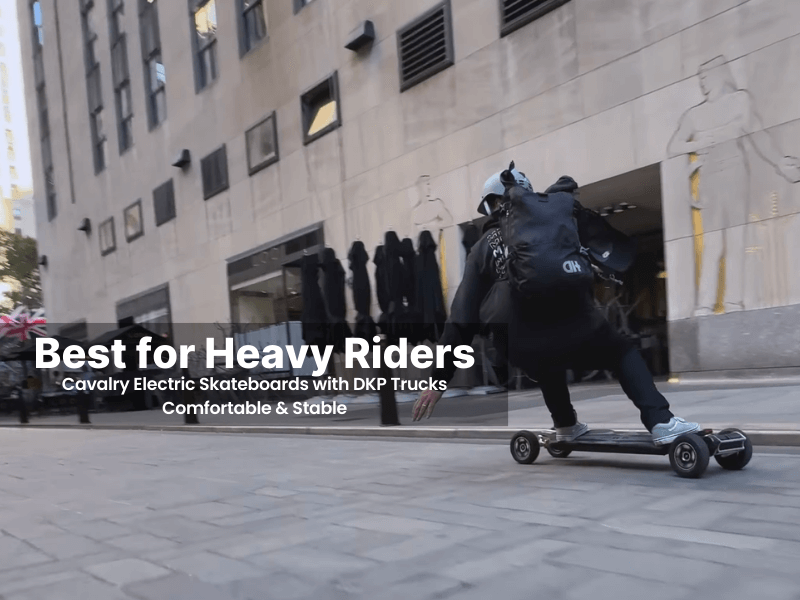
For most commuters, electric skateboards are simply more practical.
They are generally faster, easier to control in traffic, and better suited for longer rides across the city. Many long-range e-skateboards can comfortably handle daily commutes without needing frequent charging. That matters more than people think.
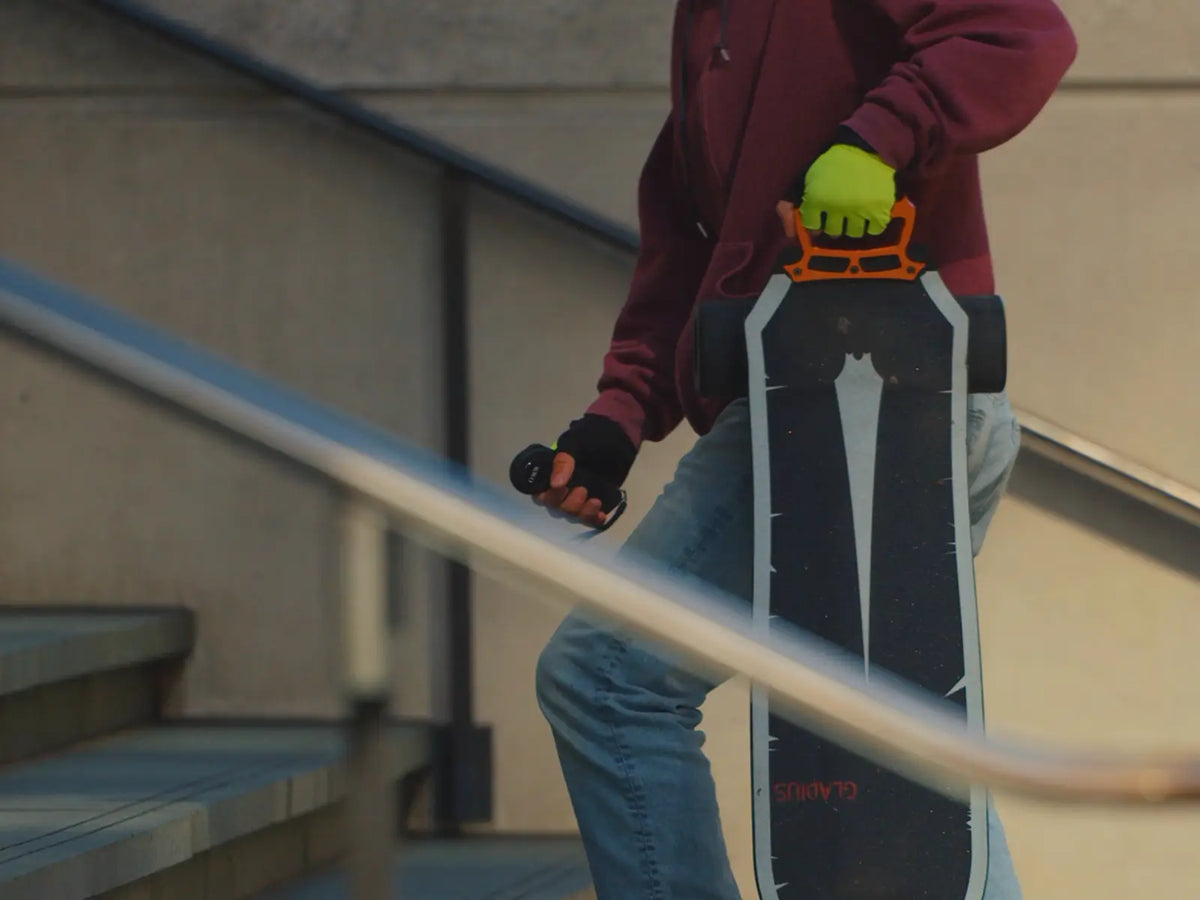
A board might feel exciting for a short ride around the neighborhood, but commuting is different. You deal with rough intersections, stoplights, cracked pavement, pedestrians, and carrying the board into stores or offices.
That is where electric skateboards usually pull ahead. They feel more predictable in traffic, and the four-wheel platform makes everyday riding feel more natural for many people.
A Onewheel can absolutely work for commuting too, especially for shorter routes. But many riders eventually prefer the efficiency and predictability of a four-wheel setup for everyday transportation.
If your main goal is daily city riding, an electric skateboard is usually the better long-term choice.
Speed, Range, and Everyday Use
Electric skateboards usually win when it comes to speed and range.
Many performance-focused e-skateboards can reach around 25–35 mph, and long-range models may offer 30–50 miles of real-world range depending on the setup and riding conditions.
Onewheels are typically ridden at lower speeds, and most riders use them more for relaxed carving than fast transportation. That does not make them less fun — in fact, for some people, the slower and more flow-focused ride is exactly the appeal.
But if your goal is covering distance efficiently or replacing short car trips around the city, electric skateboards are usually better suited for that role.
Which One Is Easier for Beginners?
Most beginners adapt to electric skateboards faster.
The stance feels natural, the controls are simple, and the wider platform gives many riders more confidence early on.
A Onewheel is different. Fun, yes — but definitely different.
There is a real learning curve in the beginning. Some people pick it up quickly, while others need more time before they feel comfortable accelerating, carving, or riding over uneven ground.
It also asks more from your balance and body control at lower speeds, especially during the first few rides.
 That does not mean a Onewheel is too difficult for beginners. Plenty of people learn them successfully. But if you want something that feels less intimidating on day one, electric skateboards usually make more sense.
Stability and Safety
Both boards require practice and protective gear, especially if you are riding faster or around traffic.
That said, electric skateboards generally feel more stable on smooth roads because of the four-wheel platform and wider stance.
Onewheels can feel incredibly stable once you learn them, but they rely more heavily on body balance and weight control. Longer rides can also feel more physically demanding for some riders because your body is constantly adjusting.
No matter which one you choose, wearing a helmet is not optional. Wrist guards, knee pads, and elbow pads are also a smart idea, especially if you are new to electric riding.

Who Should Buy a Onewheel?
A Onewheel may be the better choice if you:
- Want a unique riding experience
- Enjoy carving more than speed
- Ride shorter, relaxed routes
- Like surf or snowboard-style movement
- Want something playful and different
Who Should Buy an Electric Skateboard?
An electric skateboard is usually the better fit if you:
- Commute regularly
- Want higher speed and longer range
- Prefer a more stable ride
- Have skateboarding or longboarding experience
- Need something practical for daily transportation
Our Recommendation
If you are a commuter, a beginner, or someone who mainly wants a reliable board for city travel, an electric skateboard is usually the safer recommendation.
If you care more about carving, ride feel, and having something that feels completely different from a traditional skateboard, a Onewheel may be more enjoyable.
At the end of the day, the better board is the one you actually want to ride regularly.
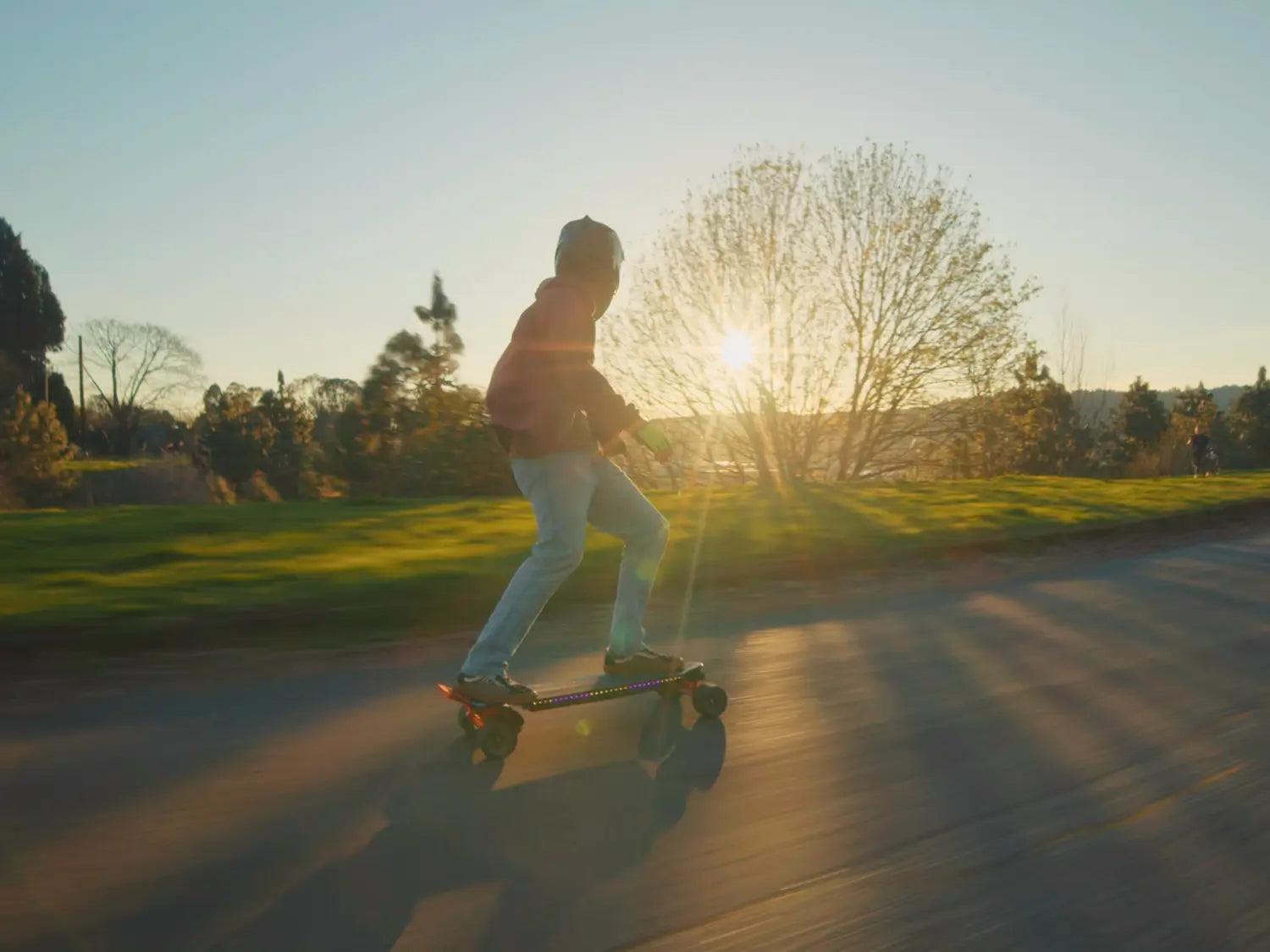
Some riders care most about the feeling of carving through a bike path at sunset. Others just want something fast, stable, and dependable enough to replace short car trips around the city.
Both are valid. They are simply built for different kinds of riders.
If your goal is smoother, faster, and more efficient daily transportation, electric skateboards usually make more sense long term.
Frequently Asked Questions (FAQ)
Q1: Is a Onewheel harder to learn?
Usually, yes. Most beginners find electric skateboards easier to pick up because the riding position and controls feel more familiar.
Q2: Which one is faster?
In most cases, electric skateboards are faster than Onewheels, especially performance-focused models.
Q3: Which one is better for commuting?
Electric skateboards are generally better for commuting thanks to their speed, range, and overall practicality.
Q4: Which one is better for beginners?
Electric skateboards are often easier for beginners to start with, while Onewheels usually require more balance practice.
Q5: Which one handles rough roads better?
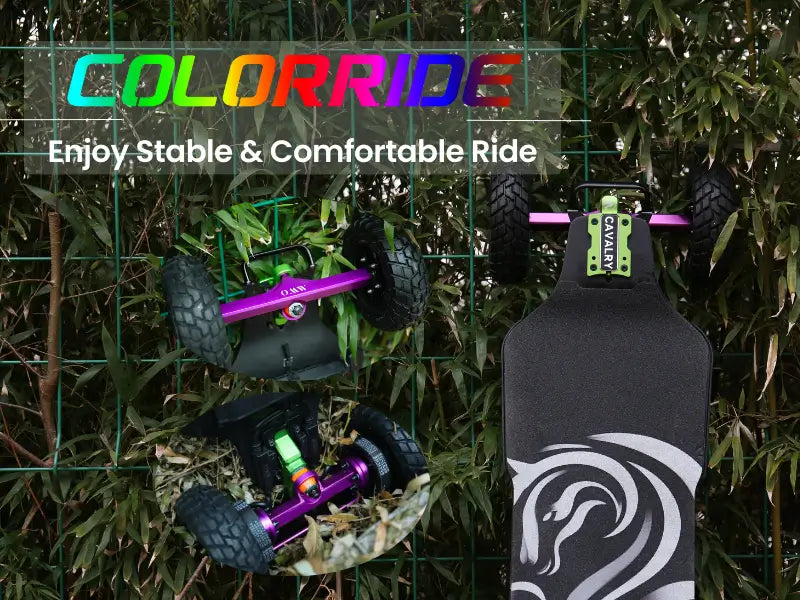
Onewheels tend to feel better on mixed terrain and uneven surfaces, while electric skateboards perform best on smoother pavement.
Q6: Is a Onewheel worth it over an electric skateboard?
It depends on what you value more. If you care most about carving and ride feel, many riders think a Onewheel is absolutely worth it. If you want speed, range, and practicality, electric skateboards usually offer better overall value for daily use.
Q7: Do electric skateboards feel safer?
To many riders, yes — especially on smooth roads. But safety still depends heavily on speed, rider skill, terrain, and protective gear.
Final Thoughts
Both Onewheels and electric skateboards are genuinely fun to ride. They just serve different purposes.
For most people, it eventually comes down to a simple question:
Do you want the most unique ride experience, or do you want the board that fits daily life more easily?
That answer usually makes the decision pretty clear.