



As temperatures drop and days get shorter, many electric skateboard riders ask the same question:
Can you ride an electric skateboard in winter?
The short answer is yes, but winter riding comes with real challenges. Cold temperatures reduce battery performance, slippery roads increase crash risks, and road salt can slowly destroy your electric skateboard if you’re not careful.
This guide breaks down everything you need to know about electric skateboarding in winter, in a practical, rider-first way.

1. Dress for Control, Not Just Warmth
Winter gear isn’t only about staying warm; it’s about staying in control.
- Helmet & Wind Protection
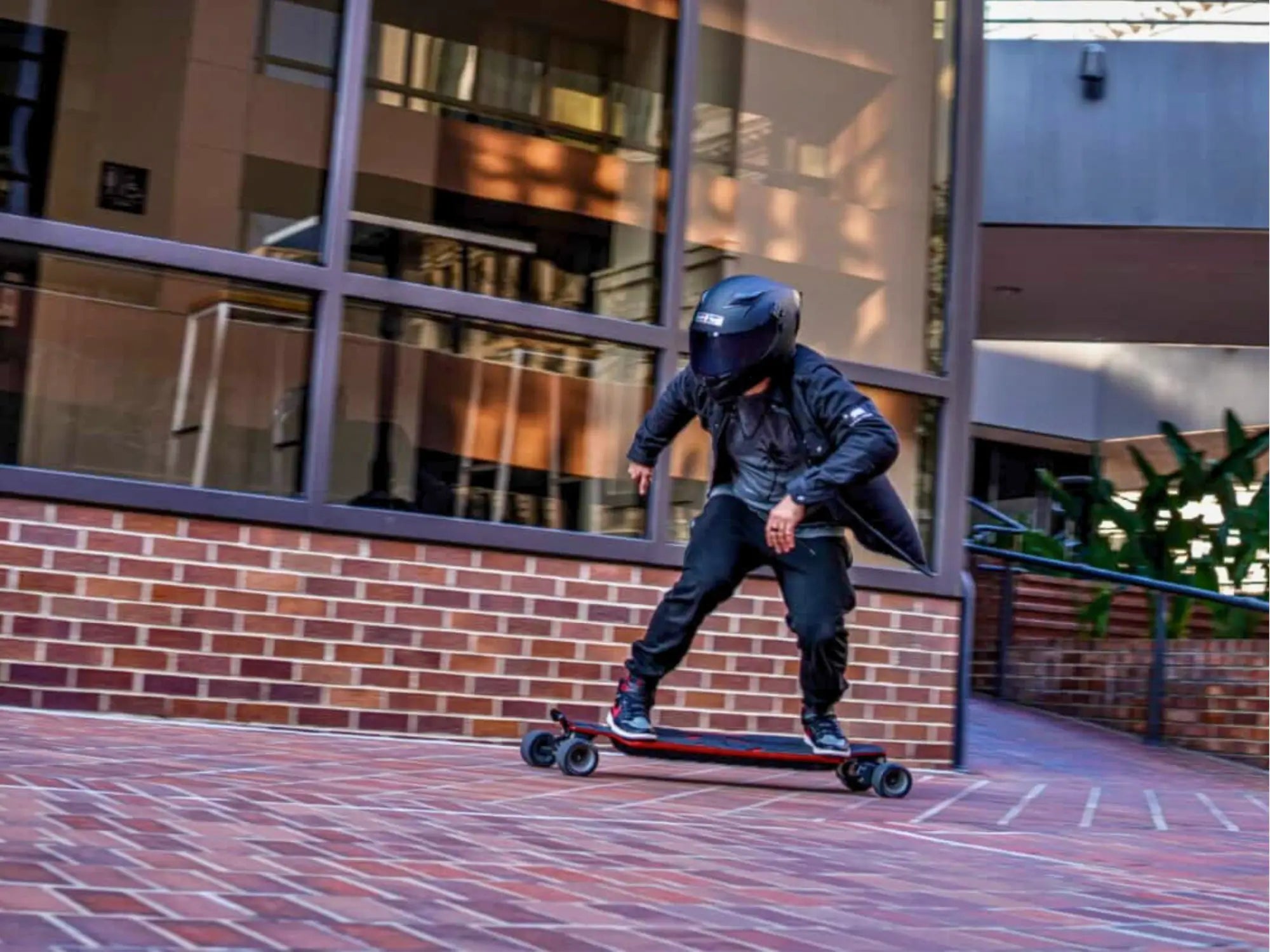
A certified helmet is non-negotiable. In cold weather, adding a thin thermal liner or balaclava underneath helps prevent wind chill without affecting fit.
- Gloves You Can Actually Ride With
Bulky gloves make it hard to control the remote. Look for thermal gloves with touchscreen fingertips, good grip, and some palm padding in case of a fall.
- Shoes with Grip
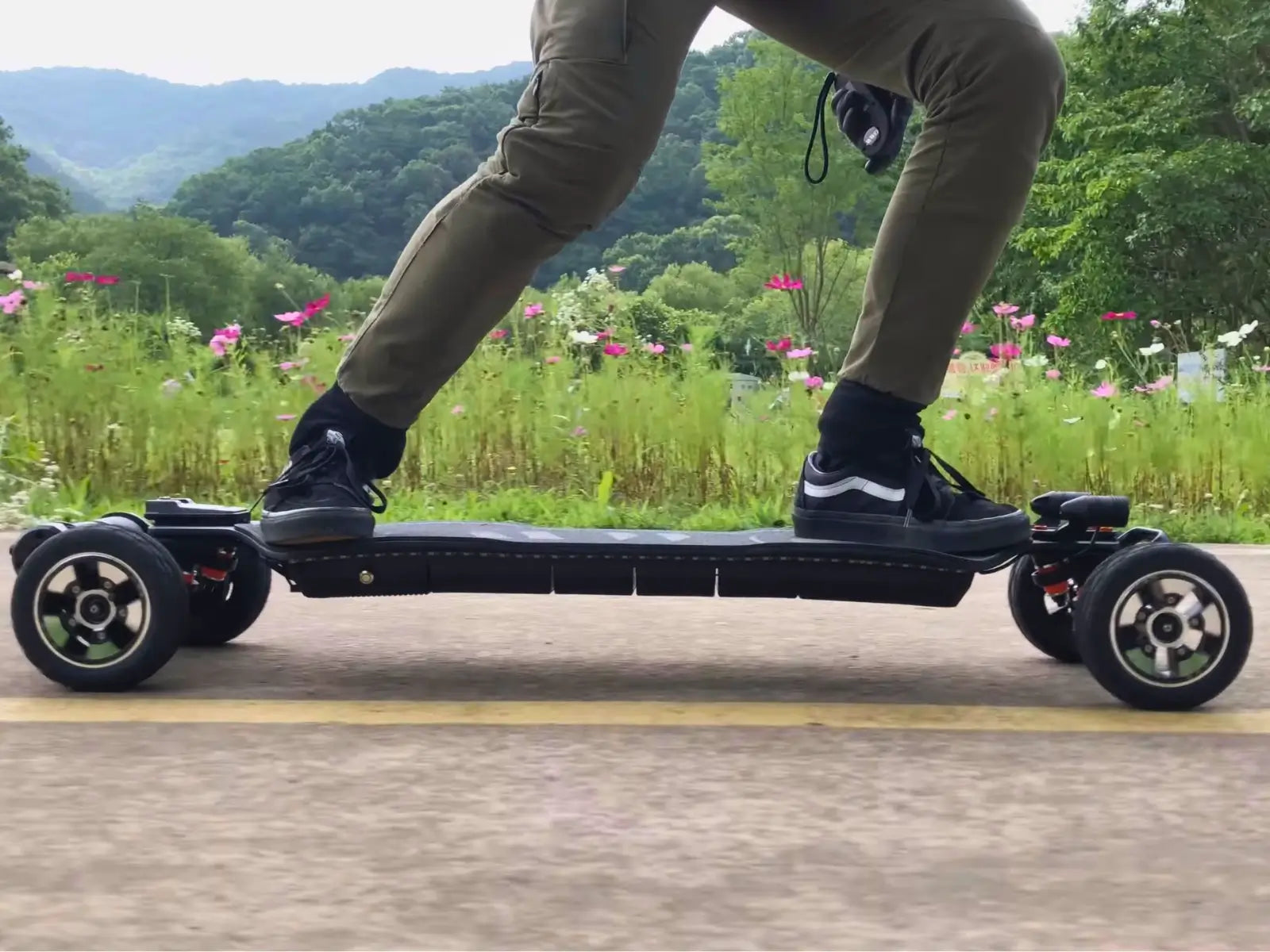
Cold weather hardens rubber soles, reducing traction. Flat skate-style shoes with deeper tread patterns help keep your feet planted on the deck.
- Pads Matter More in Winter
Cold muscles react more slowly and get injured more easily. Knee and elbow pads not only protect you during falls but also help keep joints warm.
2. Winter Battery Care: What to Expect (and What to Avoid)
Lithium batteries hate the cold; there’s no way around it.
- Expect Reduced Range
In temperatures below 32°F (0°C), it’s normal to lose 20–40% of your range. Always plan shorter rides and avoid pushing the battery to zero.
- Ride Smooth to Avoid Power Loss
Cold can cause voltage sag, especially during hard acceleration or uphill climbs. Keep throttle inputs smooth and gradual.
- Never Charge a Cold Battery
This is critical. After riding in the cold, let your eboard sit at room temperature for at least an hour before charging. Charging a frozen battery can cause permanent damage.
3. Riding on Winter Roads: Stay Conservative
Winter surfaces are unpredictable, even when they look fine.
- Watch for Black Ice
If the road looks wet but doesn’t splash, assume it’s ice. Bridges, shaded paths, and early mornings are especially risky.
- Brake Earlier Than Usual
Stopping distances increase dramatically in cold or damp conditions. Start braking earlier and more gently; never slam the brakes.
- Lower Your Stance
Bend your knees more than usual. A lower center of gravity helps you react faster if the board loses traction.
4. Winter Maintenance: Salt Is Your Enemy
If your city uses salt or chemicals to melt snow, maintenance becomes essential.
- Wipe Down After Every Ride
Road salt corrodes motors, trucks, and bearings fast. Use a damp cloth to clean the eboard, then dry it thoroughly.
- Lubricate Moving Parts
Winter moisture causes bearings and hardware to seize. Apply bearing lubricant more often to keep everything spinning smoothly.
- Seal All Ports
Make sure your charging port and enclosure seals are intact. Saltwater intrusion can damage your ESC and battery.
5. Take Care of Your Body Too
Cold riding affects more than just your eboard.
- Warm Up Before Riding
A few minutes of stretching or light movement indoors improves reaction time and reduces injury risk.
- Stay Visible
Shorter days mean low-light riding. Use LED lights on your helmet and eboard so drivers can see you through foggy or frosty windshields.
Final Thoughts: Should You Ride an Electric Skateboard in Winter?
Winter electric skateboarding isn’t for everyone, but with the right setup, mindset, and maintenance routine, it can be both safe and rewarding.
Respect the limits of your battery, ride conservatively, and take post-ride care seriously. Do that, and there’s no need to put your eskateboard into hibernation until spring.