



The quick answer
Check pneumatic tire pressure before every ride, inspect the tread and sidewalls for damage, and stop riding if one tire repeatedly loses air, develops a bulge or cut, sits unevenly on the hub, or makes the board vibrate in a new way. For the current OMW pneumatic tires, use 30 PSI for the 150mm tire and 36 PSI for the 175mm tire as the starting pressure.
Those numbers apply to the current OMW 150mm and 175mm tires. They are not universal settings for every pneumatic wheel. Rider weight, temperature, route and the exact tire-and-hub system still matter, so use the specification supplied with a different wheel rather than copying an OMW number.
| OMW pneumatic tire | Starting pressure | Stock model context | Check before riding |
|---|---|---|---|
| 150mm / 6-inch | 30 PSI | Stock tire size on Hussar; also available in other matched OMW configurations | Pressure, tread, sidewall, valve area, free rotation and hardware |
| 175mm / 7-inch | 36 PSI | Stock tire size on Cavalry; also available in other matched OMW configurations | Pressure, tread, sidewall, valve area, free rotation and hardware |

What tire pressure changes on an electric skateboard
Pneumatic tires isolate the rider from broken pavement by using air as part of the suspension. That benefit depends on maintaining an appropriate pressure. Pressure that is too low increases tire deformation and rolling resistance. It can make the board feel sluggish, reduce range and increase the chance of the tube or tire being damaged by an impact. Pressure that is too high reduces compliance, makes the ride harsher and can reduce the tire's ability to follow an uneven surface.
A pressure check is also a diagnostic step. If four tires were set correctly and one is noticeably lower before the next ride, do not treat that as normal maintenance without checking why. A valve, tube, tire casing or seating problem may be developing.
A 60-second pneumatic tire check before every ride
- Measure pressure while the tires are cool. A reading taken immediately after riding can be different because tire temperature has changed.
- Compare all four tires. One tire that loses more pressure than the others needs inspection, even if it can still be inflated.
- Rotate each wheel by hand. Look for side-to-side movement, an unevenly seated tire, rubbing, bearing play or a new vibration.
- Inspect the full tread and both sidewalls. Remove loose debris and look for cuts, cracks, bulges, exposed structure or unusual wear.
- Check the valve area. The valve should not appear pulled sideways, damaged or loose.
- Check the wheel hardware. Confirm that axle nuts and visible fasteners are secure and that the wheel rotates freely without touching the deck, motor mount or belt guard.
If the board has taken a hard impact, run the inspection again before continuing the ride. A tire can look acceptable from one side while damage is hidden on the inside sidewall or near the hub.
How to check electric skateboard tire pressure correctly
- Park the board, turn it off and keep the wheels unloaded.
- Use a pump or gauge that reads accurately in the pressure range of a small pneumatic tire.
- Remove the valve cap and connect the pump head squarely so that it does not pull the valve sideways.
- Set the current OMW 150mm tire to 30 PSI or the current OMW 175mm tire to 36 PSI.
- Disconnect the pump, recheck the reading if needed and reinstall the valve cap.
- Repeat the same process for all four tires rather than judging pressure by squeezing the tire.
Do not deliberately run a very low pressure simply to create more grip. On a small powered wheel, excessive tire deformation can damage the tube or tire and can make handling less predictable. If your route or rider weight creates a special setup question, contact OMW with the board model, wheel size and normal riding conditions before changing the recommended starting point.
What repeated pressure loss usually means
| What you notice | What to do |
|---|---|
| All four tires are slightly lower after storage or a major temperature change | Inflate them to the correct cold pressure, record the readings and monitor them before the next ride. |
| One tire loses pressure faster than the other three | Stop treating it as a routine top-up. Inspect the valve, tube, casing and tire seating before riding again. |
| Pressure falls quickly or the tire becomes visibly soft | Do not ride. Remove the wheel and diagnose the leak or replace the damaged part. |
| The tire holds air but produces new wobble or vibration | Check seating, hub condition, bearings and hardware. Correct pressure alone does not rule out a mechanical problem. |
| Repeated punctures occur in the same wheel | Inspect the inside of the tire and the hub area for sharp debris, rough edges or installation damage before fitting another tube. |
When should you replace an electric skateboard pneumatic tire?
Replace the affected tire or tube when inspection finds a condition that cannot be safely corrected. Mileage alone is not enough to decide. Surface, inflation, rider weight, heat, impacts, burnouts and sliding can change wear dramatically.
- Tread worn flat: the original pattern has been worn away across the riding surface.
- Cut, bulge or exposed internal structure: stop using the tire even if it still holds air.
- Cracked or hardened rubber: aging damage can reduce flexibility and grip.
- Damaged bead or poor seating: the tire cannot sit evenly and securely on the hub.
- Persistent air loss: repeated inflation is not a substitute for diagnosing the valve, tube or casing.
- Impact damage: replace any part that remains distorted after a pothole, curb strike or other hard hit.
- Uneven wear: investigate pressure, alignment, bearings and riding habits before installing the replacement.

What OMW's 2,000-mile tread commitment covers
With correct inflation and normal riding on ordinary roads, OMW guarantees that the tread on its current 150mm and 175mm rubber pneumatic tires will not be worn flat within 2,000 miles. This is a normal tread-wear commitment, not a claim that the tire is puncture-proof or that every tire will last for a fixed number of years or miles.
Punctures, cuts, impact damage, incorrect tire pressure, burnouts, intentional sliding and other abnormal wear are not normal tread wear. If you need OMW to review a possible tread-wear issue, keep the order information and provide clear photos of the full tread, both sidewalls, the valve area and the wheel installed on the board.
Can OMW 150mm and 175mm tires fit another brand's 50mm-wide hub?
OMW 150mm and 175mm replacement rubber tires are designed to fit most electric-skateboard wheel hubs that are 50mm wide, but width alone does not confirm compatibility. Bead-seat shape, hub construction, valve clearance and mounting hardware can differ between brands.
Before ordering for a non-OMW board, send OMW the hub width, tire markings and clear photos of both sides of the hub. Do not install a tire if it cannot seat evenly or if the valve, sidewall or hardware is under abnormal stress.
A practical pneumatic tire maintenance schedule
| Interval | Checks |
|---|---|
| Before every ride | Cold pressure, tread, sidewalls, valve area, free rotation and obvious hardware movement |
| After a hard impact or puncture | Tire seating, inner and outer sidewall, tube, hub, bearings and fasteners before riding again |
| After installing wheels | Free rotation, belt alignment and clearance; recheck screws and axle nuts after the first 10–20km |
| Monthly or after a major route change | Compare wear across all four tires, inspect bearings and confirm that repeated pressure loss is not developing |
How 150mm and 175mm maintenance differs
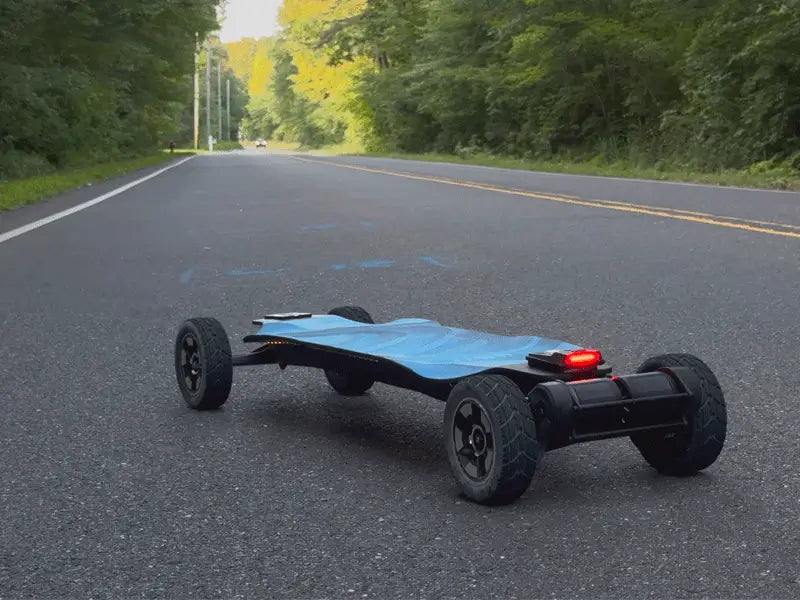
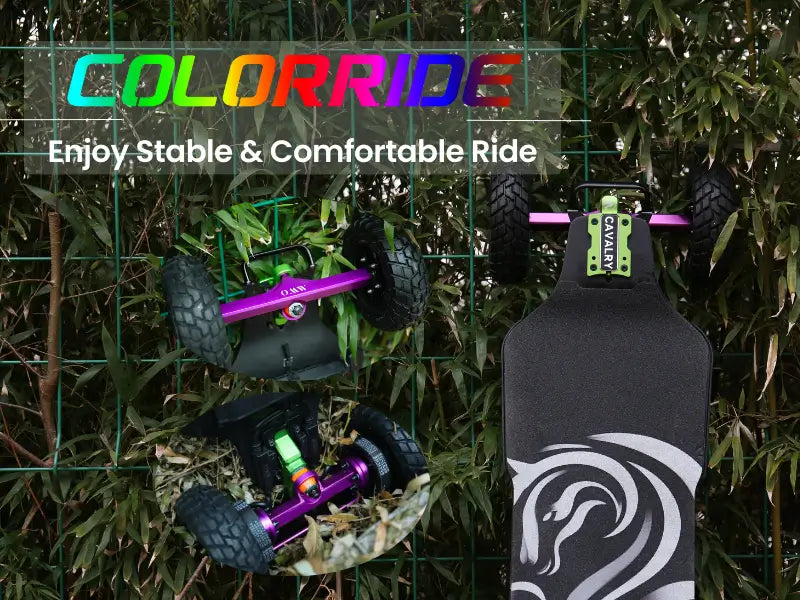
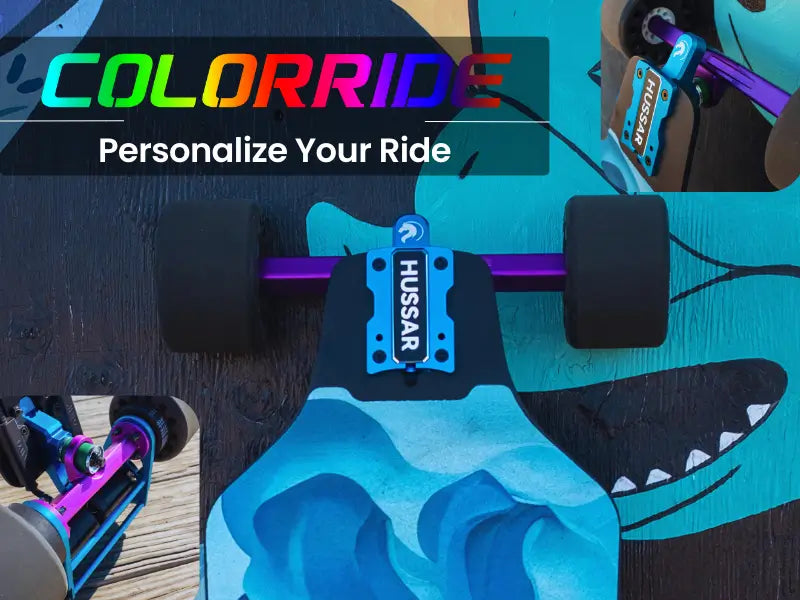
The inspection routine is the same, but the starting pressure and stock model context are different. The 150mm pneumatic tire is the stock setup on Hussar and starts at 30 PSI. The 175mm pneumatic tire is the stock setup on Cavalry and starts at 36 PSI. Both sizes can be used in other correctly matched OMW configurations.
If you are deciding between wheel sizes rather than maintaining an existing set, read the OMW electric skateboard wheel guide. It explains ride feel, clearance, compatibility, pulleys, belts and electronic settings without turning this maintenance guide into a second wheel-selection page.
After changing wheel diameter or pulley ratio, update the wheel diameter and drive ratio in the remote or Tuya Smart App. Keep pole pair at 7 for OMW boards. The OMW Video Guide Library contains model-specific wheel replacement and settings videos.
Does a pneumatic tire make wet-road riding safe?
No. OMW does not recommend riding an electric skateboard in rain or on wet roads. Tread and air pressure do not remove the traction, braking, bearing and electrical risks created by water. If the board has been exposed to water, stop riding and follow the inspection steps in OMW's wet-road safety guide.
Electric skateboard pneumatic tire FAQ
How often should I check electric skateboard tire pressure?
Check it before every ride and again after a major temperature change, long storage period, hard impact or tire service. A visual glance is not a substitute for a gauge.
What pressure should I use for OMW pneumatic tires?
Use 30 PSI for the current OMW 150mm tire and 36 PSI for the current OMW 175mm tire as the starting point. Do not apply these numbers to a different tire unless its manufacturer confirms them.
Is a slow leak safe if I inflate the tire before every ride?
No. A tire that repeatedly loses more air than the other three needs diagnosis. Inspect the valve, tube, casing and seating before riding again.
Are punctures covered by the 2,000-mile commitment?
No. The commitment applies to normal tread wear under correct inflation and ordinary-road use. Punctures, cuts, impacts, incorrect pressure, burnouts, and intentional sliding are separate forms of damage or abnormal wear.
Can I replace only the damaged tire?
That depends on the condition of the other tires and the exact wheel system. Compare tread wear and diameter across the axle, and confirm that the replacement has the correct size and seating profile. Contact OMW if the remaining tires are heavily worn or the setup is uncertain.
The next step
If your OMW tire is losing pressure, worn or damaged, send the board model, wheel size, order number or approximate purchase date, current pressure readings and clear photos of the tread, sidewalls, valve area and hub to OMW. That information makes it much easier to distinguish a pressure issue from a tube, tire, seating or hardware problem.
View OMW 150mm and 175mm pneumatic wheels | Contact OMW for a tire or compatibility check